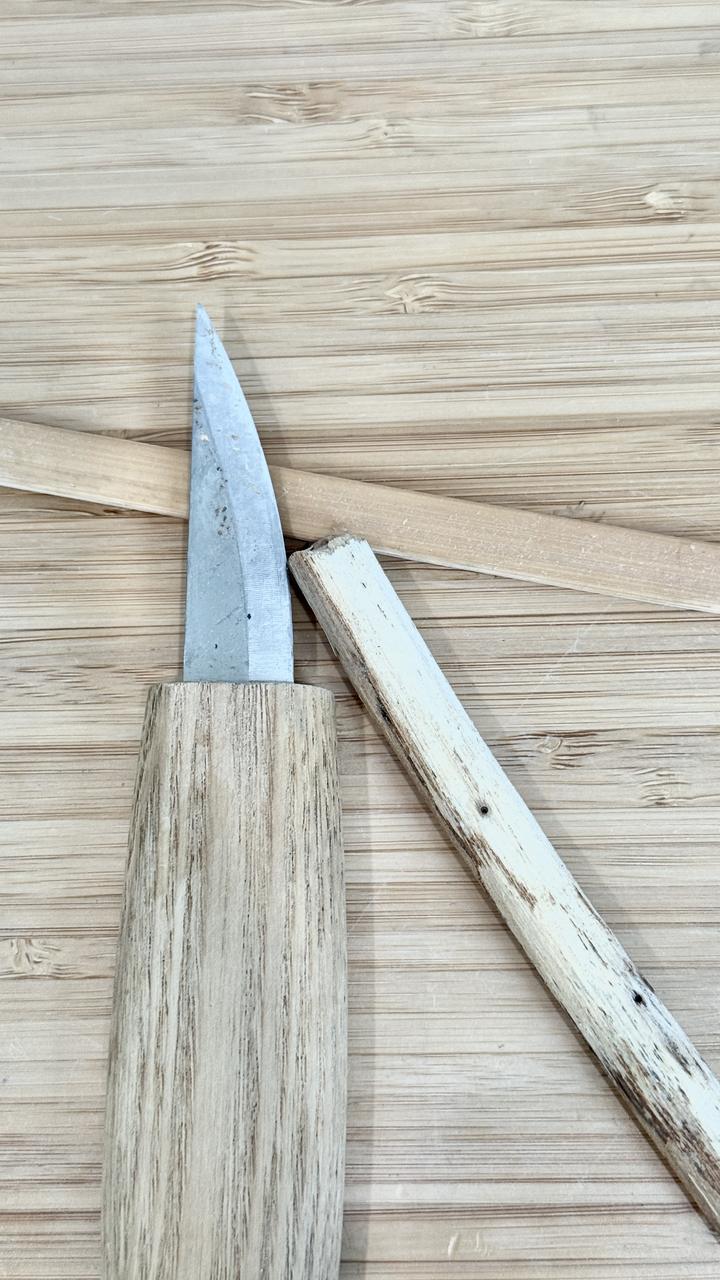
Skinning sticks is how I make room to think—my hands are busy, so my mind can slow down—and how I learn to be with myself. This is the desk where it happens: three layers, one knife, and whatever my head is doing.
Three layers
BandiWhen you look closely, you can see that most sticks have multiple layers of skin. The outermost layer is the roughest. It usually holds the most dirt and comes off easily, so I remove this layer first. I can be less careful when removing that layer since there's a layer underneath.▼
BandiThen, there's the middle layer, which is smoother than the outermost layer, but rougher than the innermost layer. It is the layer that would still be green if you picked a fresh stick to skin. When I reach this layer, I have to go slowly or I will cut into the layer underneath.▼
BandiLastly, there's the innermost layer. Usually I like to keep this layer since it's shiny and pretty.
the whole kit
Different sticks
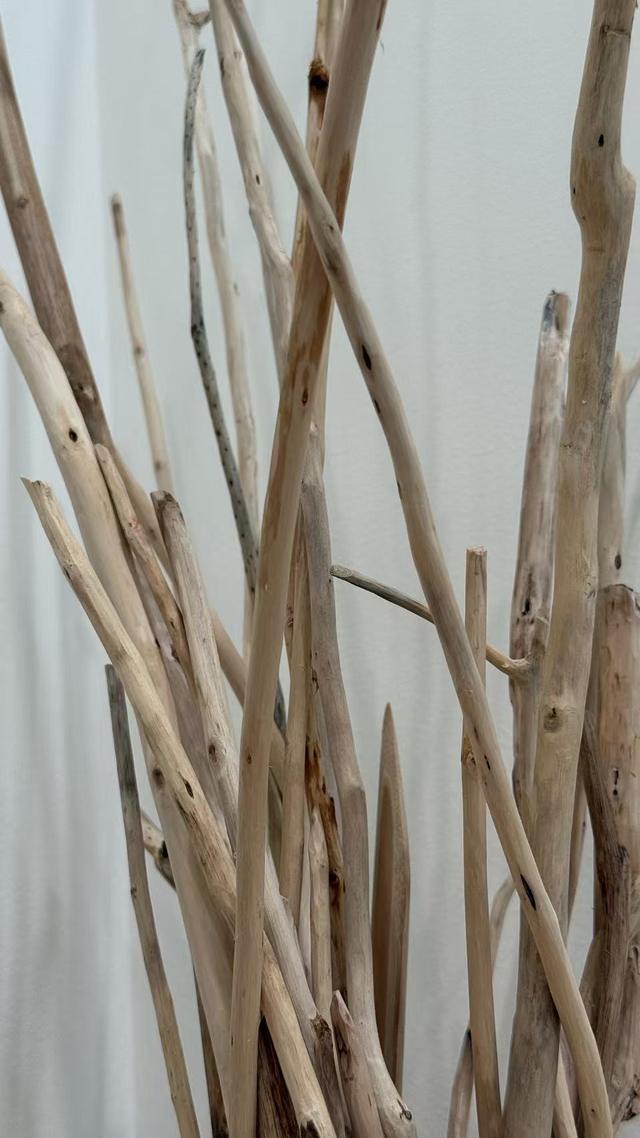
cherry, elm, and a few I can't name
BandiDifferent sticks have different textures. They vary in color, hardness, flexibility, roughness of the skin, and even their scent. By looking at the stick, I can guess what kind of tree it came from. Cherry sticks have reddish-brown skin, smoother than most, and they smell faintly of the tree's flowers. Sticks from elm trees have harder skin and shed dust when skinned dry.▼
BandiSkinning a stick is not like making a wood sculpture. Carving feels like opening a new road; skinning feels like following a path already written in the wood and revealing it more clearly. Noticing the grain of each stick taught me to notice the grain of my own moods.
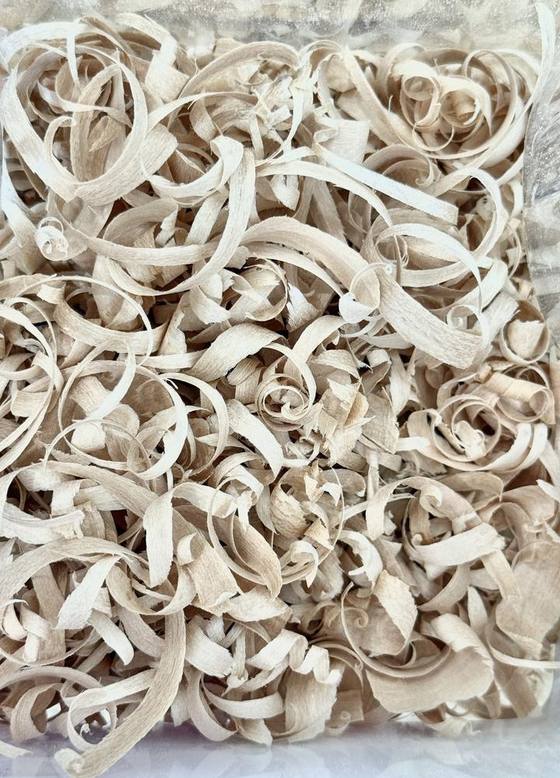
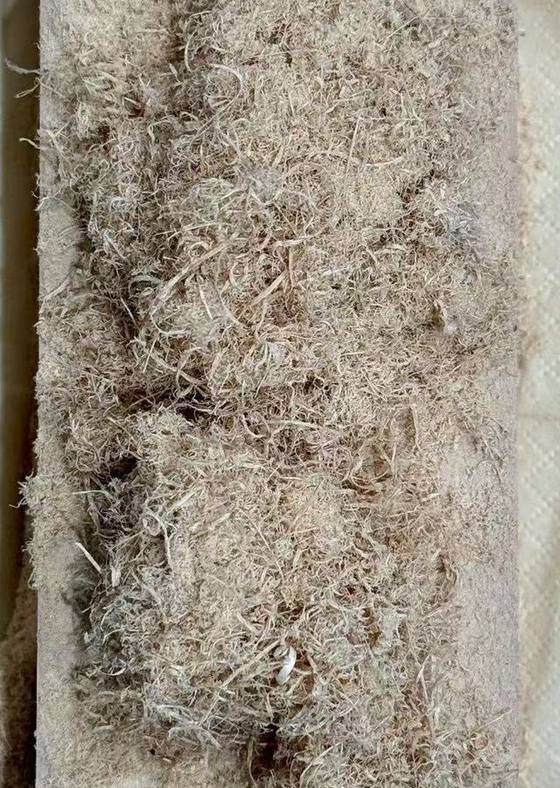
what comes off a fresh stickwhat comes off a dry one
How it started
BandiI first started when I found a cool stick on the ground and brought it home. It was dirty, and parts of the skin fell off when I washed it, so I decided to remove the skin. Then it became a hobby.▼
BandiWhen schoolwork feels overwhelming, I turn to skinning sticks. The process is like sorting myself out: first removing the surface mess, then carefully handling the parts that still carry emotion and reaction, and finally leaving a quieter, clearer inner layer.
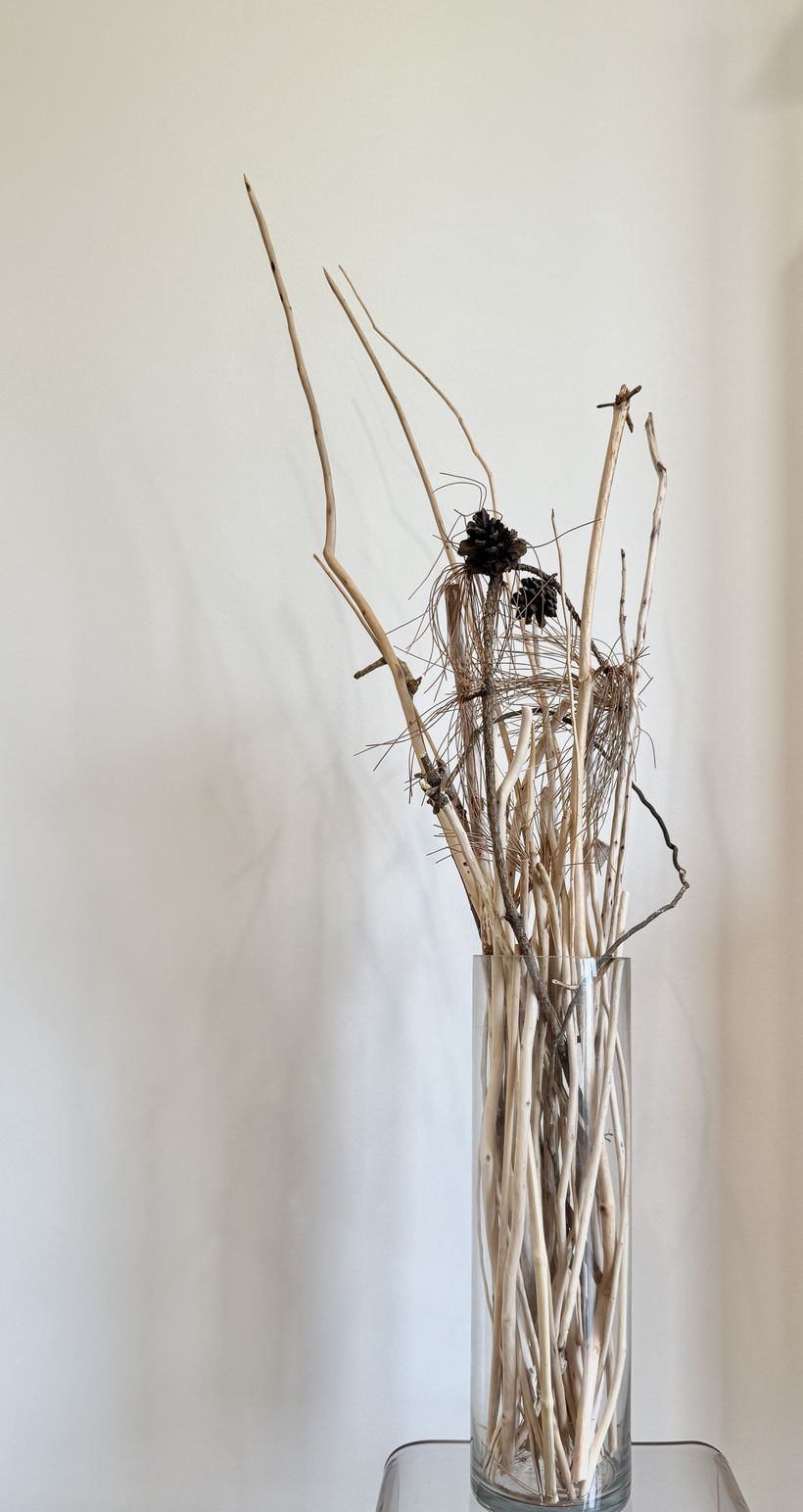
where they end up
What happens in my head
BandiDuring this process, I focus on one thought at a time and automatically ignore outside distractions. My emotions settle, and my logic becomes simpler and clearer. Some thoughts are random ideas; others are reflections on my past actions and memories, or questions I didn't know I had. My hands are busy, but my mind is free. It is like giving myself a short rest and replenishing my energy. I can follow what is already there, just as I follow the grain of the stick.
BandiAt first, I wanted the peeled stick to be perfect. But after I peeled it, the wood was still brown and patchy—white in some places, brown in others—rough and uneven. It was not always pleasant to hold. Still, compared with the dirty skin, it looked cleaner and smoother and felt better in my hand. I realized I was not trying to turn the stick into something else. I was clearing away what covered the wood I wanted to see and touch. I have always liked simple, clean, smooth, pure things. Sometimes, clarity lies in the simpler things we normally overlook.▼
BandiI enjoy immersing myself in solitude to recharge; I also value the patience to follow my own grain. The stick did not need to be perfect. Neither do I. I do not need to shape myself into someone else's ideal. I just need to reveal what is already there—in the stick, and in me.▼
BandiAfter a while, I set the knife down. The stick was pale and smooth in my hand. The room was quiet. I was quiet too. Skinning sticks lets me think, feel, and be.